
MON-SAT9AM - 5PMCALL US+91 7907733735
Free-Autism-Checklist-for-Early-Detection-Support-2024.jpg

autism treatment Centre in Thrissur

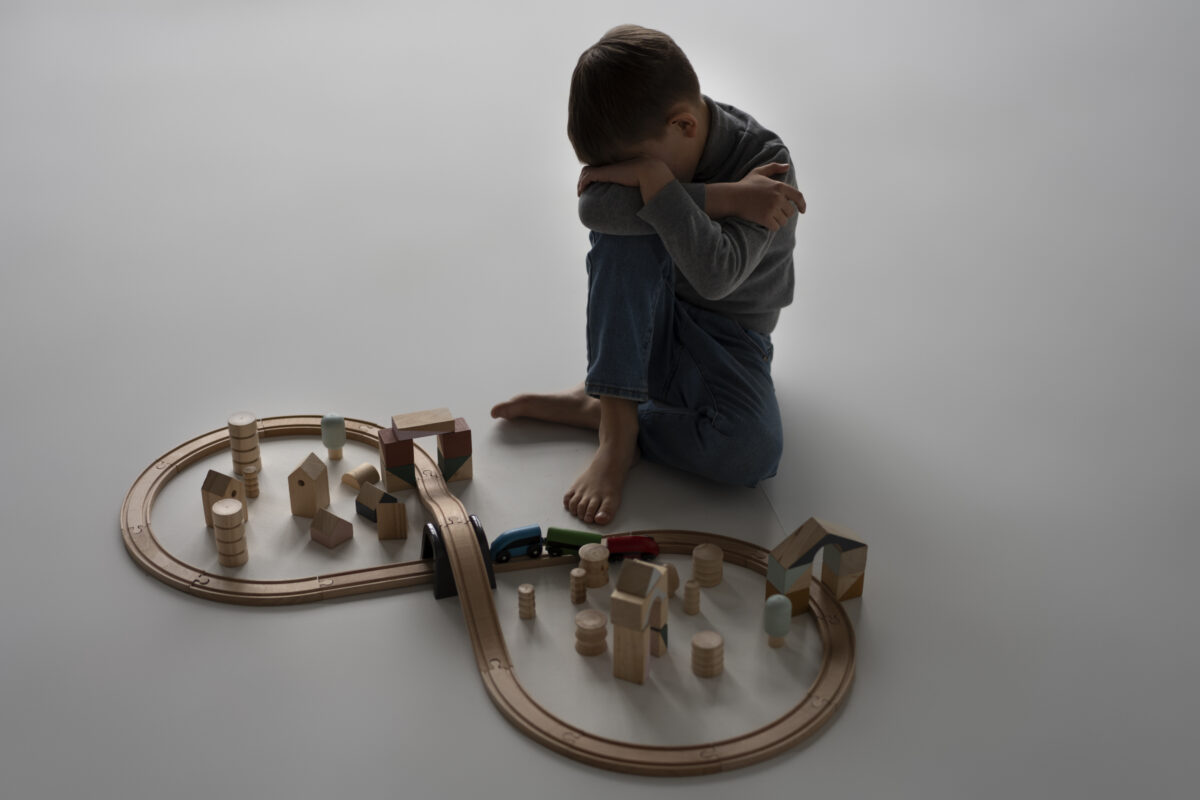
A kid might see things differently every single time, yet those with autism sometimes face moments harder than most realize – for themselves and their loved ones. To truly help, someone must notice what feels tough and why it matters. One path opens when trained experts step in, like at an autism treatment Centre in Thrissur, where routines turn into growth, day by day.

Getting help early, along with solid support, often shapes how well kids grow and learn. Most thrive when they have timely assistance combined with clear direction. Success tends to follow those who receive care at the start rather than later on. With proper steps taken sooner, progress becomes more likely across many areas. Kids respond well to thoughtful approaches put in place ahead of bigger struggles.

Understanding Autism and Its Impact on Daily Life

Communication, behavior, interaction – these areas often shift differently in people on the autism spectrum. Kids facing these traits may find it hard to say what they need, understand unspoken cues, or settle into new places.

One step at a time, kids at an autism center in Thrissur get attention meant just for them – professionals look closely at what they can do, where they struggle. Because of this focus, plans take shape slowly, built around individual needs rather than broad labels. Progress shows up quietly, shaped by consistent effort instead of quick fixes.

Communication Difficulties in Children with Autism

A frequent hurdle involves obstacles in conveying messages. Certain childrens might lack speech, while others find comprehending language or showing feelings challenging.Interventions like speech and language support, frequently administered at an autism care facility in Thrissur, assist kids in boosting their ability to communicate. As time passes, children become better at articulating their requirements distinctly and engaging with greater assurance.

Social Interaction Challenges

Most kids with autism find group moments tough. Eye contact? Often skipped. Reading cues between people tends to slip through their grasp. Alone time in games feels more natural than teaming up. Social hints float past them like unnoticed birds.From time to time, kids walk into therapy centers across Thrissur where learning how to talk, play, and stay calm around others becomes part of each day. These moments build slowly – through practice that feels less like lessons, more like stepping into rooms full of small chances to connect. Instead of rules shouted loud, there are gestures, glances, turns taken without being told. A child learns when to speak up, when to wait, what it means to stand beside someone yet still belong. Group activities? They turn into quiet experiments in trust. Friendships start not with big smiles but shared blocks, matching rhythms, a toy passed back after holding too long. Each session shapes space where fitting in doesn’t mean changing who they are.

Behavioral and Emotional Difficulties

Out of nowhere, a child might spin the same toy for hours. Frustration can spill into shouting fits when routines shift slightly. Change isn’t always welcome – some kids freeze at the sight of a different cup on the table. Sensory overload sneaks up fast, turning calm moments upside down. Emotions pile up without clear ways to release them. A sudden noise? It might feel like an alarm bell ringing inside their head. Reactions aren’t defiance – they’re attempts to handle too much at once.

A child might start learning calm ways to handle feelings at a center in Thrissur. Some tough actions happen less often once new patterns take hold. Good routines begin forming when responses shift slowly over time.

Sensory Sensitivities and Processing Issues

Out loud noises might hit some kids on the spectrum extra hard. Bright rooms or scratchy clothes? Could be too much to handle. Lights flickering down a hallway sometimes feel like alarms going off. Smells others barely notice may stop them in their tracks. Daily spaces, built without these reactions in mind, often turn into tough places to move through.

From morning light to classroom noise, kids learn balance through guided play at a Thrissur autism clinic. One step at a time, small actions build confidence handling everyday sounds, textures, spaces. Because routine isn’t rigid here – flexibility grows where comfort meets challenge. So lunchtime chatter or crowded halls feel less overwhelming, more familiar. When socks itch or lights hum too loud, strategies quietly take shape. Through repeated trials, what once caused retreat now invites participation. Not every day shifts smoothly – but progress hides in moments most overlook.

Learning and Developmental Delays

Learning might come slower for certain kids on the autism spectrum. Problems with thinking through tasks show up too. Movement abilities sometimes develop at a different pace. Schoolwork often feels harder because of this. Everyday activities can be more difficult as a result.

A different way of learning begins at an autism treatment centre in Thrissur, where lessons are shaped around how each child thinks. Instead of rushing, kids move step by step through tasks that build thinking skills. Because support stays steady, confidence grows quietly over time. Lessons adapt not just to needs but also to small victories along the way.

How Therapy Makes a Positive Difference

A child growing up with autism often finds their path smoother when support is part of daily life. Not aimed at changing who they are, it focuses on shaping abilities and inner strength.

A child might start with speech exercises one day, then shift to movement-based tasks the next. Some kids respond well to picture-guided routines instead of spoken directions. A session could involve quiet time at a table followed by outdoor activities later. One therapist uses music beats to help track progress without charts. Another mixes storytelling with daily living skills practice slowly over weeks. Each plan changes when new patterns appear in how someone learns. Progress shows differently – sometimes in small gestures, sometimes in longer eye contact during meals

Speech therapy for communication

Occupational therapy for daily skills

Behavioral therapy for managing actions

Social skills training for interaction

Consistent therapy helps children become more independent and improves their overall development.


Conclusion: Empowering Children Through the Right Support

Out of every challenge comes a chance to grow, especially for kids on the autism spectrum who find their way through tailored help. Instead of getting stuck, many begin to move forward once they start receiving therapy that fits how they see things. Confidence builds slowly when someone learns what works best for them. Independence becomes possible because of steady guidance and consistent practice.

A good autism treatment centre in Thrissur puts focus on how each child moves forward at their own pace. Because support is shaped around individual needs, progress feels more natural over time. With skilled professionals guiding every step, learning becomes part of daily experience. Growth happens quietly, yet steadily, through consistent effort and thoughtful methods. Success shows up not as sudden leaps, but small gains adding up across months


autism-treatment-Centre-in-Thrissur-1200x800.jpg


autism treatment Centre in Thrissur

Development disorders affect millions of individuals around the world, affecting their ability to communicate, learn, and interact with their environments. Unfortunately, Stigma still surrounds these conditions and prevents many families from seeking treatment early. An autism treatment center in Thrissur plays an important role in solving this problem. providing specialized treatment while educating families and communities on developmental differences. These centers help break down barriers, replace misconceptions with knowledge, and promote empathy.

Recognize the reasons for the stigma

A lack of understanding is often the cause of stigma. A prevalent misunderstanding is that poor parenting, a lack of discipline, or personal weakness are the roots of developmental disorders. delivering compassion and support, these misconceptions cause discomfort, fear, and exclusion. One of the most discussed developmental disorders, autism spectrum disorder (ASD), is still not completely understood. Families may be hesitant to ask for support due to social judgment, which can delay earlier intervention—crucial for development.

Why does it mean breaking the stigma?

Raising awareness is only one part of breaking the stigma; another promotes inclusion. People feel more comfortable asking for assistance, engaging with society, and understanding their potential when stigma is removed. Open communication, educational programs, and awareness-raising campaigns are crucial to this transformation. A strong example of this is how an autism treatment center in Thrissur integrates both therapy and social search. They work not only to improve the skills of individuals but also to educate the masses to replace myths with understanding. This double approach is a powerful way to break down the stigma.

Creating a Supportive Community

When society accepts compassion and understanding, it becomes stronger. For those who have developmental disorders to feel supported, communities, schools, businesses, parents, and caregivers must collaborate. Schools may adjust their teaching strategies according to various requirements, and workplaces may implement inclusive policies. Community housing and support groups can offer a secure setting for families to exchange techniques and experiences. Having access to expert advice is another crucial component. Joining an autism treatment center helps families feel less humiliated in their own communities by providing them with support and assistance, along with specialized care for their children.

change the story

Changing the story of developmental disorders requires the transformation of public opinion. These conditions should not be regarded as limitations but as differences that provide unique abilities and perspectives to society. Positive media presentation, educational efforts, and sharing of success stories all contribute to this change.
Consciousness Society gives individuals and families the opportunity to speak openly, share experiences, and build support networks. This openness is the most powerful way to break the stigma.

conclusion

Breaking the stigma associated with developmental disorders is an ongoing journey that requires empathy, education, and collective action. Families, local communities, teachers, and health professionals must work together to create a world where differences are respected, not condemned. With proper support, people with developmental disorders can thrive. Centers like the autism treatment center in Thrissur demonstrate the power to combine specialized care with public awareness. Their work reminds us that breaking the stigma is just possible – it is important to build an inclusive society where everyone has the chance to succeed.


close-up-girl-therapist-high-five-1200x798.jpg

Understanding Behavioral Therapy

Behavioral Therapy

A subtype of psychotherapy known as behavioral therapy concentrates on changing behavior through methods of learning and conditioning. It assists kids with Autism and ADHD by treating their behavioral issues and imparting helpful coping mechanisms. To enable people to better control their emotions and reactions, a connection between their thoughts, feelings, and behaviors is sought after.

How Behavioral Therapy Helps Children with Autism and ADHD

Improving Social Skills

Autism and ADHD children frequently have difficulty interacting socially, including reading social cues, striking up discussions, and keeping friendships. Behavioral treatment, including Cognitive-Behavioral treatment (CBT) and Applied Behavior Analysis (ABA), can help kids acquire these vital abilities. Role-playing, modeling, and positive reinforcement are common techniques used by therapists to educate kids on how to act effectively in various social contexts, respond appropriately, and engage with peers with confidence.

Overcoming Social Anxiety

Because they have trouble understanding social cues or feel overstimulated by sensory information, children who are diagnosed with autism spectrum disorders or ADHD may get anxious in social situations. Behavioral therapy teaches coping methods like deep breathing, relaxation, and positive thinking to help children gradually navigate social contexts. This methodical process eases their nervousness and makes them feel more comfortable engaging with people.

Enhancing Empathy and Understanding Perspectives

Through behavioral therapy, kids are encouraged to consider other people’s perspectives on various situations. Children with autism or ADHD who acquire empathy become more capable of recognizing the intents and feelings of others, leading to improved social interactions. Children can better build and keep friendships by engaging in activities such as role-playing or storytelling, which help them learn how their actions affect others.

Developing Assertiveness and Self-Confidence

Children who receive behavioral therapy are better able to communicate their needs and wants without using violence or passivity. Children with autism or ADHD can advocate for their needs, set boundaries, and navigate social situations with greater confidence when they learn how to assert themselves. Better self-esteem and healthier peer interactions are two benefits of this enhanced assertiveness.

Benefits of Behavioral Therapy for Children

Structured and Practical Approach: Behavioral therapy provides children with clear, step-by-step techniques to improve their social skills and behavior, making it easier for them to apply what they learn in real-life situations.

Tailored to Individual Needs: Each child’s behavioral plan is personalized, ensuring that the therapy addresses their unique strengths and challenges. For example, therapy may focus on reducing hyperactive behavior in children with ADHD or enhancing non-verbal communication in children with Autism.

Positive Reinforcement: Behavioral therapy uses rewards to encourage positive behavior, which motivates children to continue practicing and improving their social skills.

Conclusion

Children with autism and ADHD can benefit greatly from behavioral therapy in terms of their social skills development. Assisting students in cultivating vital abilities like empathy, self-assurance, and assertiveness, it also lessens social anxiety. Therapy provides a route toward improved communication, healthier peer connections, and increased emotional well-being by treating certain behavioral issues. Behavioral therapy provides important assistance and direction for kids who have trouble interacting with others.


Autism Spectrum Disorder (ASD) presents unique challenges for children and their families. One of the most effective interventions to support these children is occupational therapy. This comprehensive approach focuses on enhancing the skills needed for everyday tasks, promoting independence, and improving quality of life. In this article, we will explore how occupational therapy can significantly benefit autistic children, helping them lead more fulfilling and autonomous lives.

What is Occupational Therapy?

Occupational therapy (OT) is a healthcare profession aimed at helping individuals develop, recover, or maintain skills necessary for daily living and working. For autistic children, OT focuses on building skills that enhance their ability to perform everyday activities, such as dressing, eating, and interacting with others.

Key Goals of Occupational Therapy

Improving Fine Physical Skills: Improving the ability to achieve tasks involving quality, such as writing or buttoning a shirt.
Improving Sensory Processing: Assisting kids in better handling and reacting to sensory inputs.
Developing Social Skills: Teaching kids how to engage meaningfully and properly with adults and other children.
Building Daily Living Skills: Assisting children in becoming more self-sufficient in grooming, feeding, and personal hygiene tasks.

How Occupational Therapy Benefits Autistic Children

Developing Flexible Movement Capabilities
Autistic children often face difficulties with fine motor skills, which are essential for tasks like writing, using utensils, and dressing. Occupational therapists use various techniques to improve these skills, such as:
Handwriting Practice: Activities designed to improve grip strength and coordination.
Play-Based Exercises: Engaging children in play that requires precise hand movements, like puzzles or building blocks.

Improving Vision

Sensory Integration Therapy: Using specialized activities to help children process sensory information more effectively.
Creating Sensory Diets : Developing a personalized set of sensory activities that cater to the child’s specific needs.

Promoting Social Skills

Social Skills Training : Teaching children how to recognize social cues, make eye contact, and engage in conversations.
Group Activities : Encouraging participation in group settings to practice and reinforce social skills.

The Role of Play in Occupational Therapy

Play is a fundamental aspect of occupational therapy, especially for children. Through play, children can practice and develop various skills in a natural and enjoyable way. Occupational therapists often use:

Play therapy: Exercises aimed at increasing social skills, physical abilities, and sensory processing.
Adaptive Play Equipment: Tools and toys that accommodate the child’s needs and support their development.

conclusion

For autistic children to grow more autonomous and have a higher quality of life, occupational therapy is essential. Occupational therapy (OT) equips children with the necessary tools to survive by emphasizing fine motor abilities, sensory processing, social connections, and everyday life skills. Occupational therapy assists autistic children in realizing their full potential and enjoying more independent and satisfying lives through tailored interventions, working in sync with families, and emphasizing practical skills.


Copyright 2023. | Designed By WebZIGN

Call Now